
Trade Show Technology 2026: Touchscreens, AR, AI & LED Activations That Win
Why Trade Show Tech Matters More Than Ever
While standard booths blur together in a crowded hall, smart trade show tech cuts through that noise, gives people something to do, and quietly feeds your pipeline while your team talks.
Touchscreens, AR, AI, and bold LED visuals help you show complex products in simple ways, qualify visitors on the spot, and leave with data you can actually use.
When you tie these tools into the broader trends shaping 2026 and build them into your booth plan from the start, they feel natural instead of gimmicky, and your numbers show it.

Giant Touchscreens and Interactive Walls
Big, bright screens are still one of the fastest ways to turn passersby into participants.
Large touch kiosks
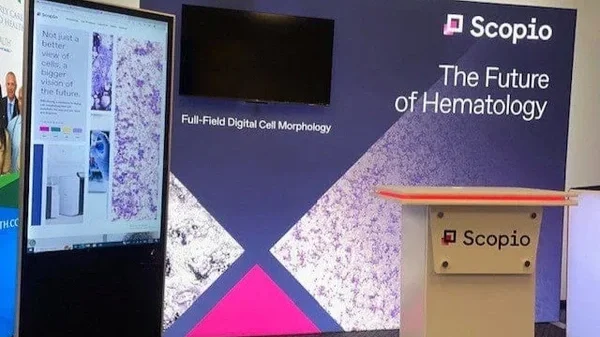
Floor-standing or mounted touchscreens in the 55–85 inch range work well as interactive catalogs, quizzes, or “find your fit” tools.
Keep interactions short and visual: a few taps to get a recommendation, watch a quick demo, or sign up for more info. Position them where people can easily step up from the aisle without blocking your space.
Video and content walls
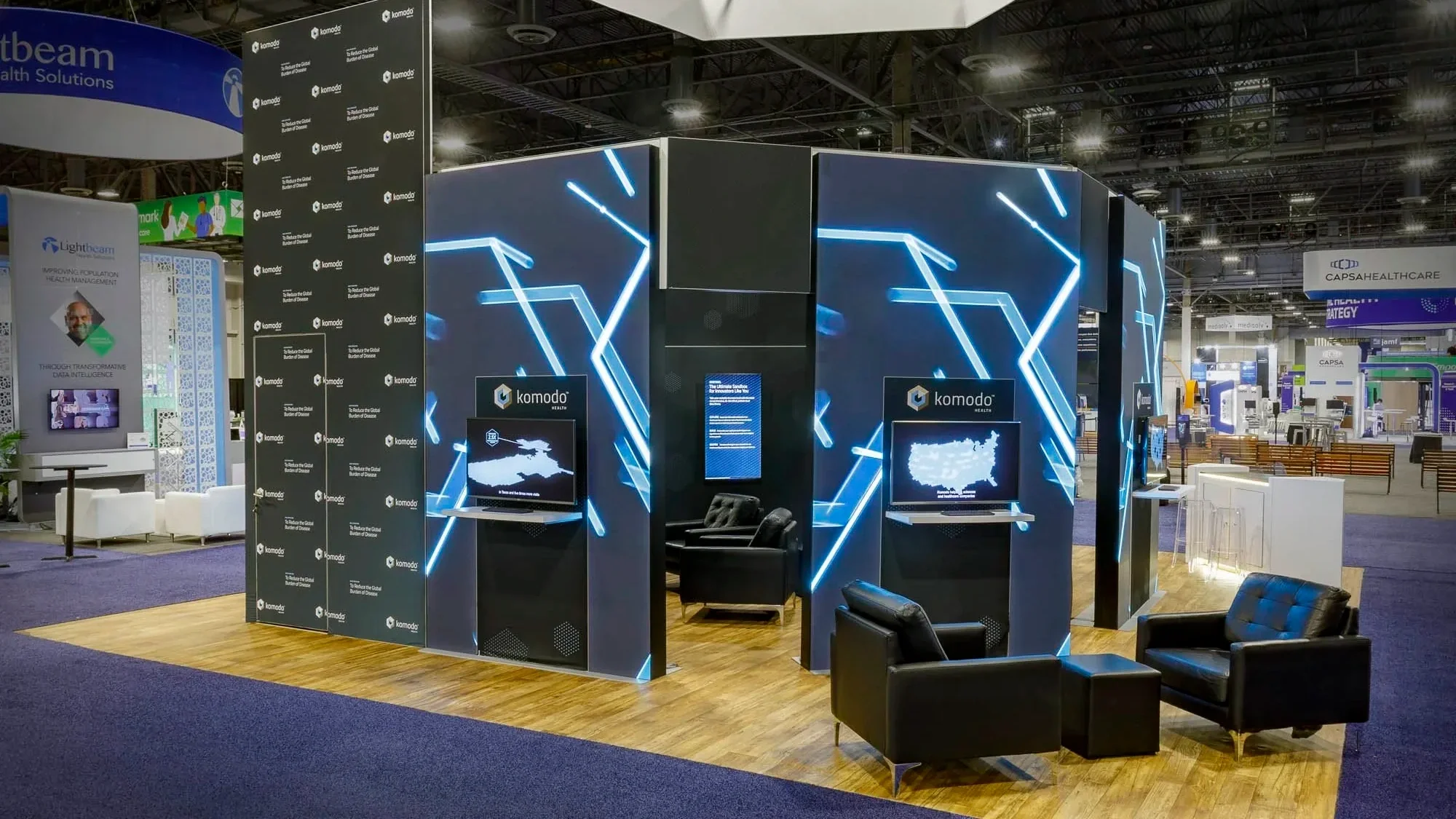
Multi-panel walls or wide LED displays can loop product footage, highlight customer stories, or mirror what’s happening in your games and demos.
They pull eyes from across the hall when you use motion and clear visuals rather than dense text. Mount them on truss or integrate them into your display structure so they feel like part of the booth, not an afterthought.
Run all of this through a simple lead form or QR handoff at the end of the interaction, and you’ve turned a quick tap session into a trackable contact.
AR Experiences and “Phygital” Touchpoints
Augmented reality elements blend your physical booth with digital layers that visitors control themselves.
On-device AR product overlays
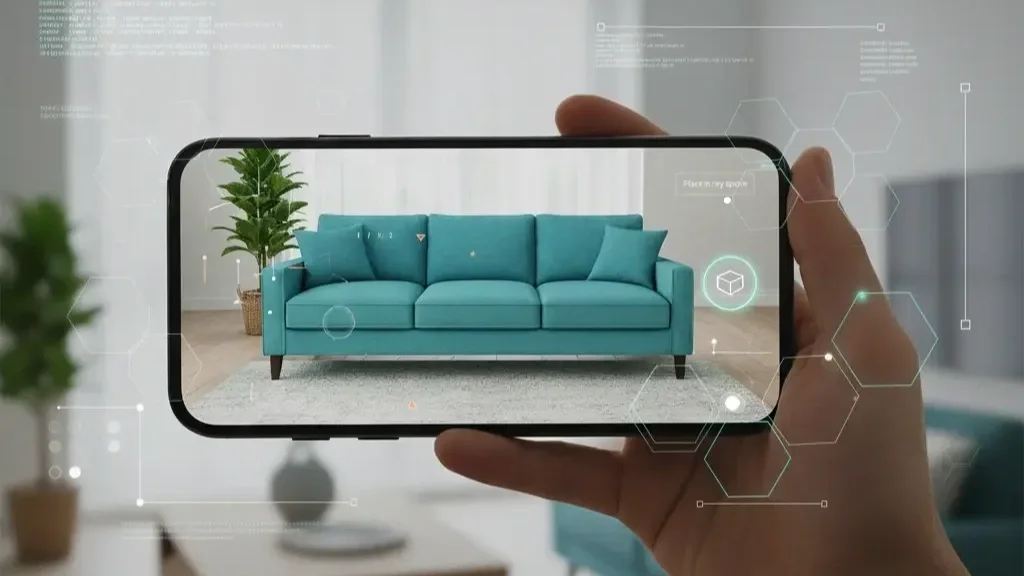
A quick scan of a code or marker can let attendees drop your product into their world on a phone or tablet screen—whether that’s equipment in their facility, furniture in their office, or data on their own environment.
This works especially well when the real item is too big or complex to bring on-site.
Gesture and motion-driven surfaces
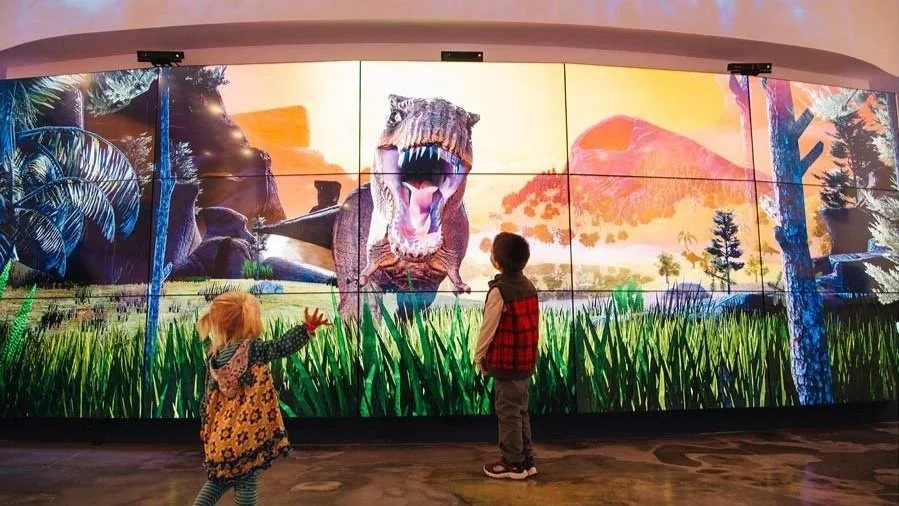
Projection or screen-based AR walls that respond to movement give people a reason to pause even if they weren’t planning to stop.
A wave that triggers a graphic, animation, or short clip is enough to start a conversation, especially if the response is clearly tied to your theme or value proposition.
Keep these experiences tight—two or three minutes each—so people don’t feel rushed, but your queue still moves. The goal is curiosity and clarity, not a full training session.
Digital Games and AI Helpers in the Booth
Turning parts of your booth into a small digital playground keeps energy up and makes lead capture feel natural.
AI-powered greeters and helpers
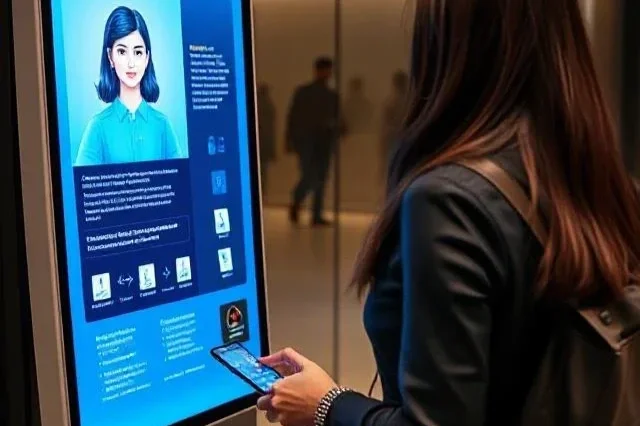
Tablet or kiosk-based bots can handle the initial “What brings you here?” conversation, ask a few qualifying questions, and route visitors to the right rep. They work well at the front of the booth or near a key activation, quietly building a list of people who’ve already told you what they care about.
Screen-based trivia and challenge games
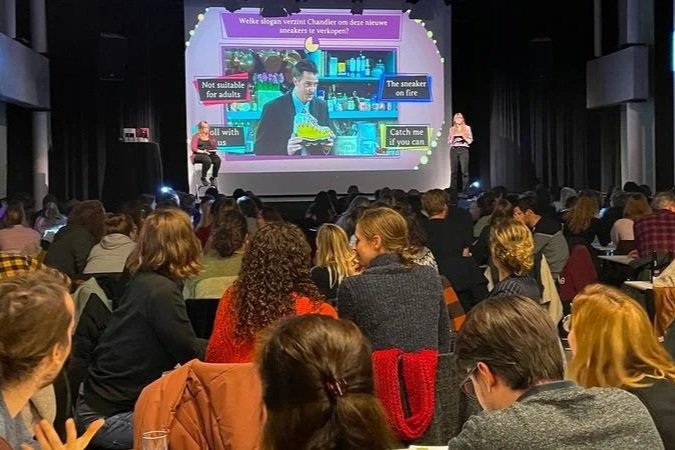
Quiz or game show formats running on a big screen with buzzers or mobile controls are tried-and-true attention grabbers. They give you a reason to pull people in (“Jump in for one quick round?”), tie easily to prizes, and make it simple to collect names and scores.
Phone-controlled mini games
Allowing visitors to use their own phones as controllers for races, polls, or simple arcade-style games keeps hardware needs down and participation up. Use a short sign-up or QR entry step that swaps email for access so your “just for fun” area quietly fills your list.
All of these are strongest when your questions, themes, and prizes are clearly linked to your actual offer, not random trivia.
LED Walls and Motion-Based Visuals
Lighting and motion-heavy displays can make your booth feel like its own little stage without turning it into a nightclub.
LED backdrops and feature walls
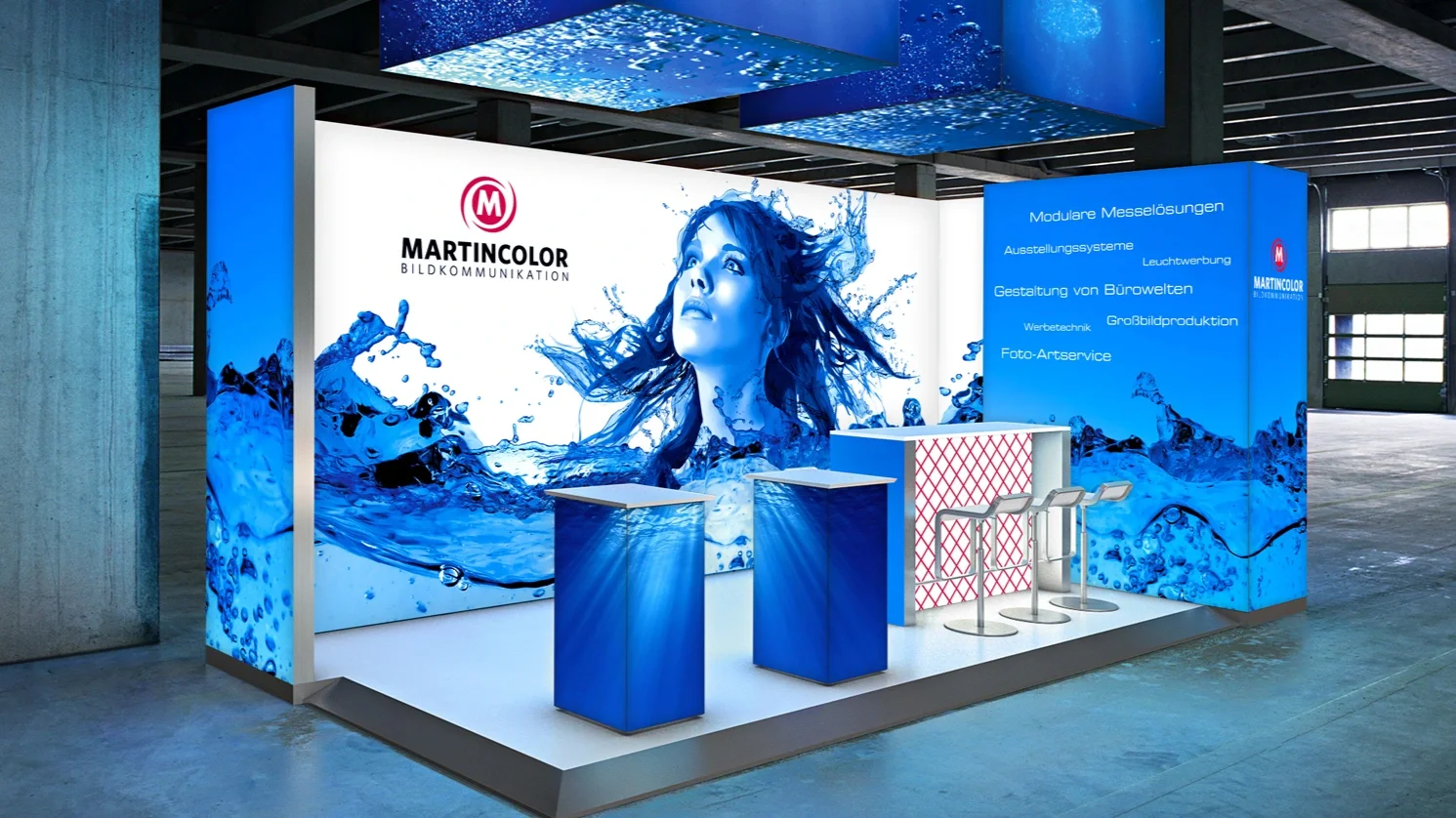
Curved or flat LED setups let you run short loops, animated branding, and simple visual stories that evolve through the day. They’re ideal as the main wall behind your demo or game area, especially when you keep the content high-contrast and easy to absorb at a glance.
Lit counters and product platforms
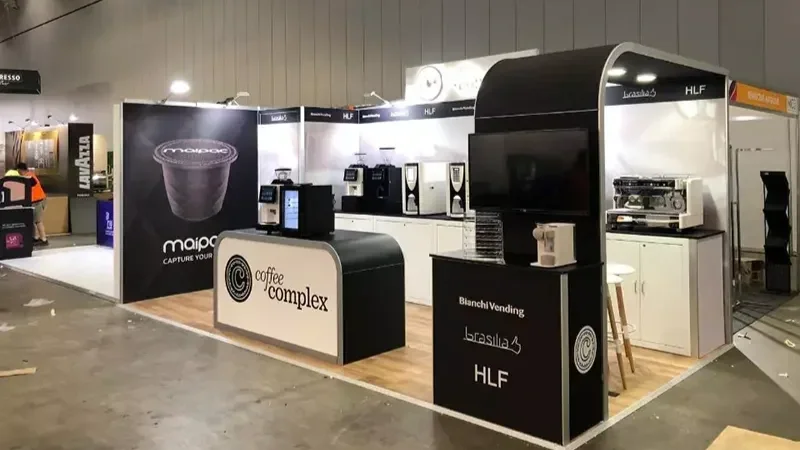
LED-lit counters, risers, or shelves put a literal spotlight on your key items. They also help define zones in your booth: front-facing for quick touches, deeper inside for longer conversations and demos.
Make sure you work with your venue’s power constraints and test brightness so your visuals enhance the space instead of washing it out. A bit of restraint goes a long way.
Quick Tech Comparison (So You Pick the Right Stack)
Here’s a simple way to think about where each tech piece fits:
Touchscreens: best for guided product picks, self-serve info, and fast forms in small footprints.
AR stations: great for “see it in your world” moments, especially when you sell big or complex solutions.
AI chatbots: handle first-contact and basic qualification so sales time is better spent.
Digital games: pull crowds, create noise and energy, and drive opt-ins when tied to prizes.
LED walls: frame your whole story visually and support everything else you’re doing.
Layering one or two of these intentionally is usually better than trying to cram everything into a single booth.
Staff, Rollout, and Getting Real Results
Tech only works if your team and plan support it.
Train staff to use one or two simple opening lines that point people toward your tech experiences instead of starting with a hard pitch.
Make sure every interactive element has a clear “what happens next”—a scan, a sign-up, a scheduled demo, or a giveaway entry.
Log everything in a way that’s easy to segment later (by interest, product line, or engagement level), so follow-up feels personal.
Pilot your tech stack at a smaller show or local event before rolling it into a major expo, then adjust based on real numbers rather than guesses.
Ready to move beyond static booths?

Partner with Trade Show Labs to bring interactive tech—touchscreens, AR, AI, games, LED displays and more into one cohesive experience. When everything works together, your booth doesn’t just look impressive; it actively attracts visitors, qualifies leads, and warms up the right conversations before your team even says hello.
William Griggs
Founder @ Trade Show Labs