
Why VR Gives Trade Show Booths an Edge
Flat screens and static demos are easy to ignore. A well-run VR station, on the other hand, stops people in the aisle and gives them a story to tell after they leave. Visitors remember the moment they “stepped inside” your product or idea far more than another slide deck or brochure. When you plug VR into your broader engagement plan alongside strong booth tactics and visual anchors like photo spots—you get longer visits, warmer conversations, and leads that already understand what you do before they even talk to sales.
For exhibitors who want the wow-factor without turning into a tech support desk, renting complete VR kits with content and on-site guidance is often the cleanest path. You show up with a team and a message; your partner brings the headsets, safety know-how, and troubleshooting.

How to Set Up VR Smoothly in a Trade Show Booth
A good VR setup feels exciting on the outside and comfortable on the inside. That starts with some simple logistics.
Space and layout
Plan roughly a 6x6 area for each active headset. In a standard 10x10 booth, that usually means one or two stations, with floor markings or soft mats that make the play area obvious. Keep sightlines open so passersby can see what’s happening and watch a screen that mirrors the VR view.
Hardware and hygiene
Standalone, wireless headsets keep cables off the floor and reduce trip hazards. Have wipes, disposable face covers, and a quick cleaning routine after each user, this reassures guests and keeps the line moving. A small side table or rack for headsets and controllers helps your area look organized instead of chaotic.
Power and backups
You don’t want a dead headset at peak traffic times. Use a dedicated power strip and chargers for your VR gear, and keep extra batteries or a backup headset on hand. Small fans or good airflow around the gear helps prevent overheating during long show days.
Staffing and scripting
Assign at least one person to every two headsets.
Their job is to welcome people, explain what the experience is, help with the headset, and keep the queue flowing. Give them a simple script that ties the VR moment to your value proposition in one or two sentences so the experience and your message stay linked.
Lead capture baked into the flow
Decide where in the process you’ll collect details, if it's before people play, immediately after, or as part of a quick follow-up screen. QR codes, short forms on tablets, or badge scans all work; the key is to make it fast and clearly connected to something the visitor wants, like receiving their clip, a follow-up demo, or access to extra content.
VR Game and Experience Formats That Work on the Show Floor
The best trade show VR content is short, easy to understand, and clearly tied to what you sell.
Multiplayer challenges and team quests
Product simulators
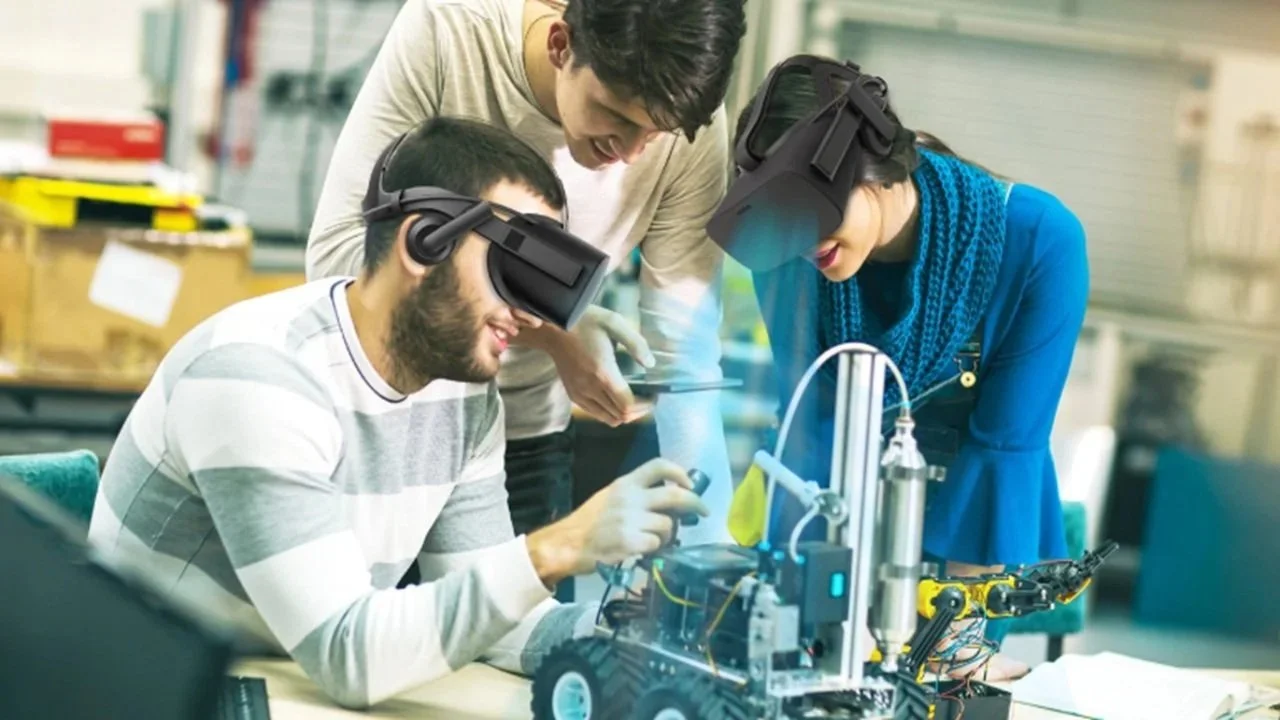
Let visitors “test drive” or “fly through” something that’s hard to show in real life—large machinery, complex software, architectural spaces, or remote locations. These experiences are perfect when your real product is too big, too expensive, or too abstract to bring to the booth.
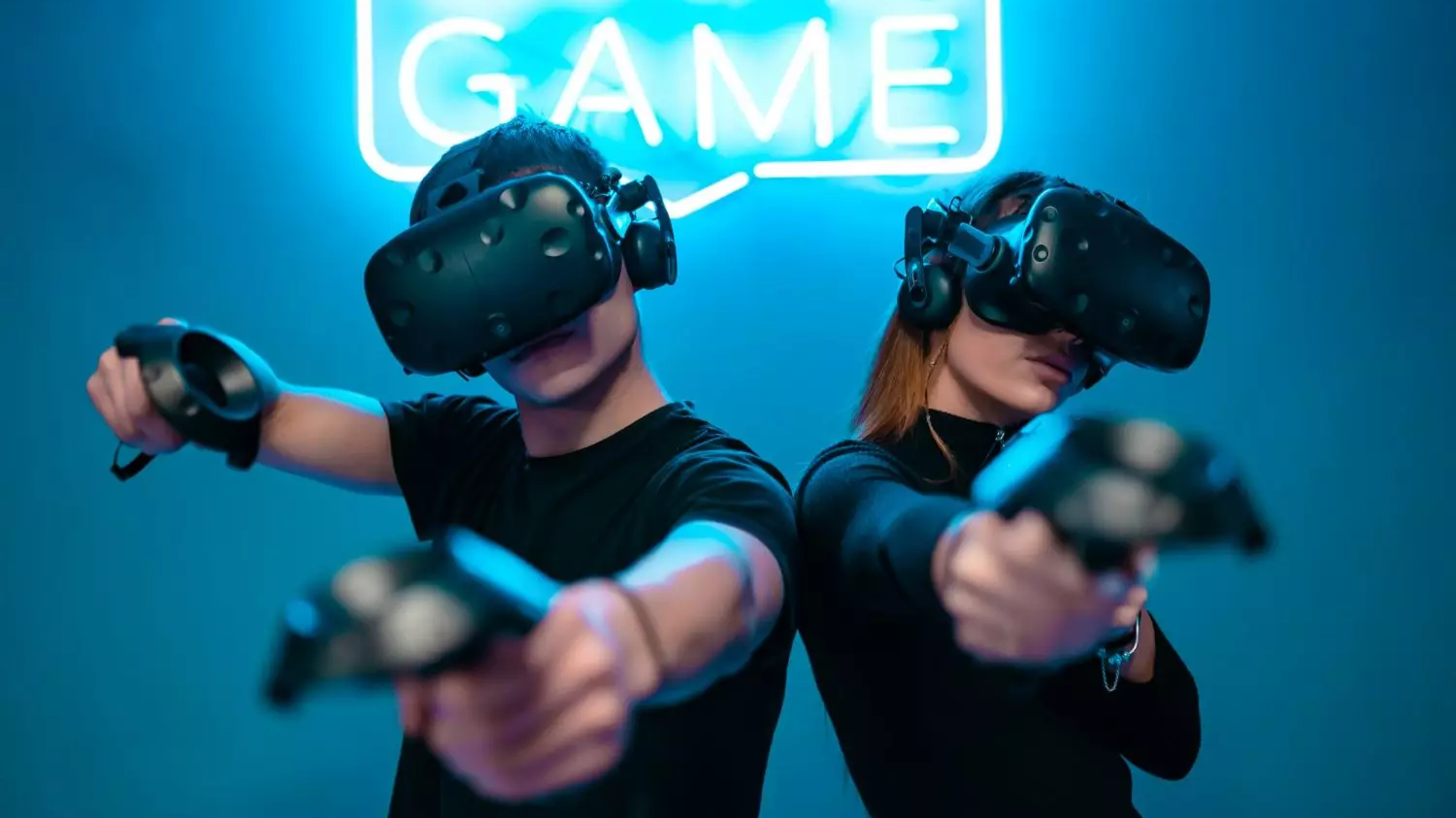
Group games where two to four people race, collaborate, or solve a challenge together create instant buzz around your booth. They’re ideal if your brand leans into teamwork, performance, or competition, and they can double as a bridge between trade show activations and the corporate event or team-building work you might also do.
Branded virtual environments
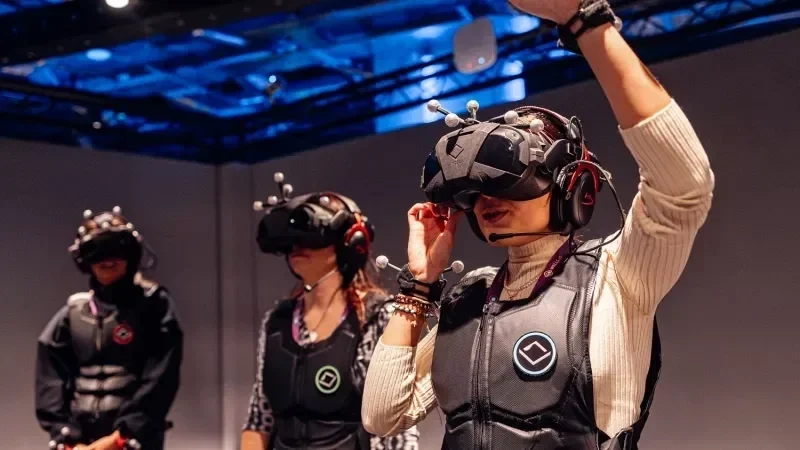
A short virtual tour of your HQ, factory floor, or a “day in the life” use case gives visitors context without feeling like a traditional presentation. Done well, it feels like stepping into your world for a minute or two rather than watching another explainer.
Game-style contests with prizes
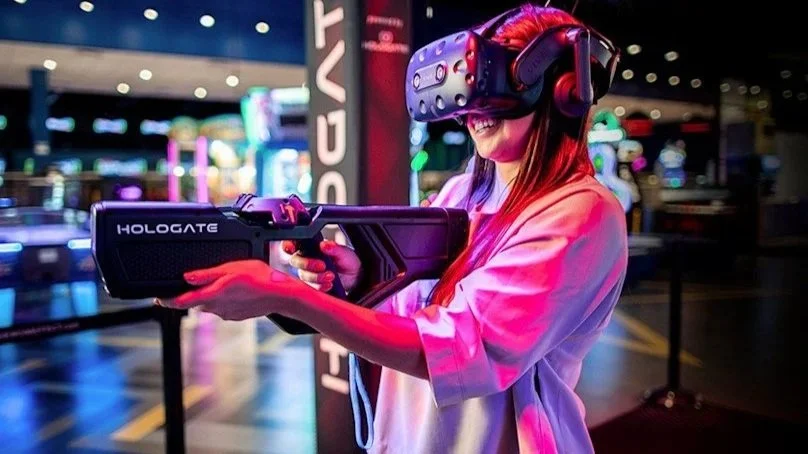
Simple objectives—beat a score, complete a challenge, or unlock a hidden element—tie in naturally with giveaways or prize draws. A visible leaderboard or progress screen encourages repeat tries and gives your staff an easy way to keep conversations going.
Calm and reset experiences
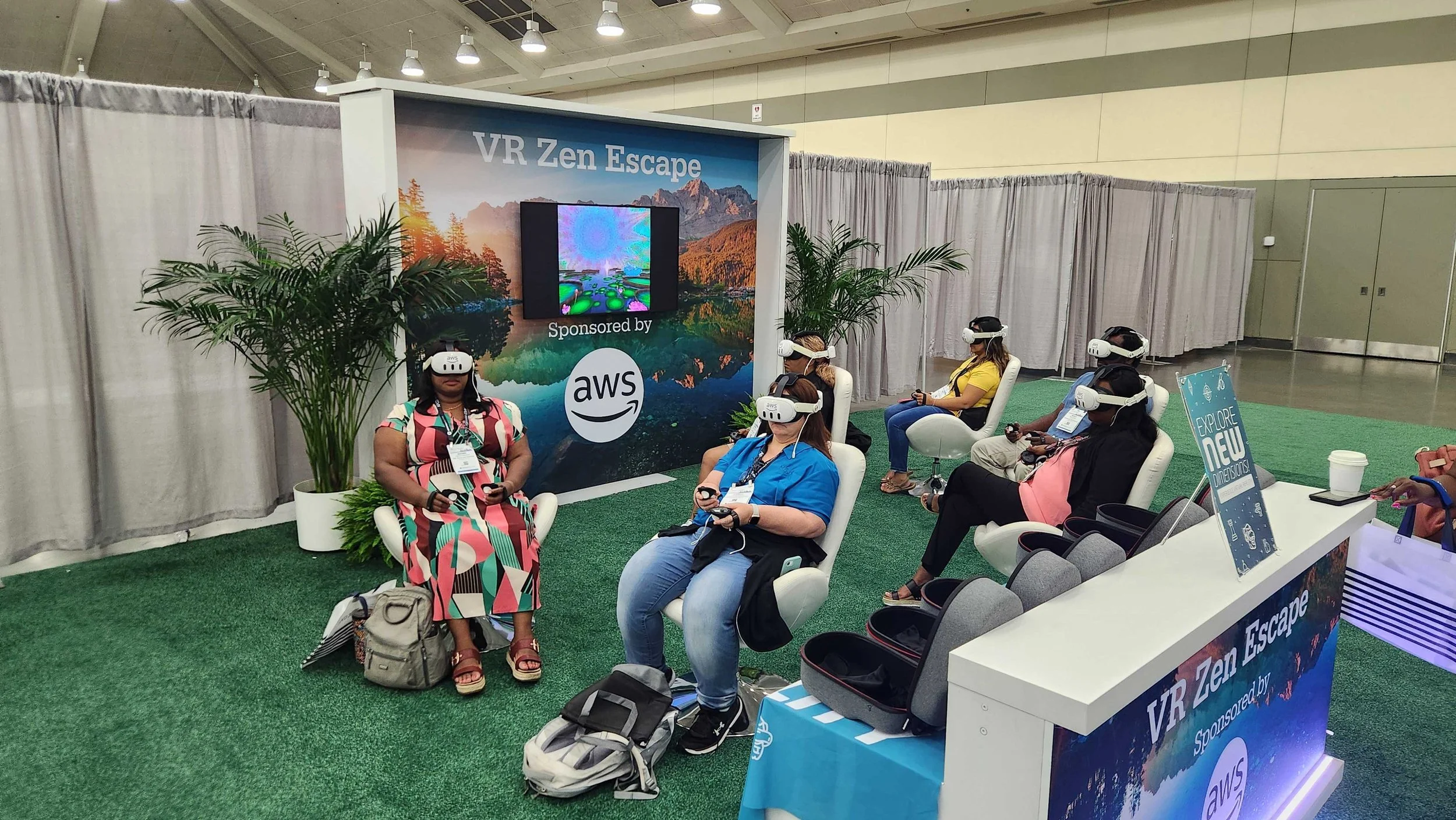
In loud, high-pressure halls, a quick, guided relaxation or scenic escape can be just as attractive as an adrenaline rush. Position these as a “two-minute recharge” and you’ll win goodwill and dwell time with attendees who are overloaded from back-to-back meetings.
Making the ROI Case for VR at Trade Shows
VR should earn its spot in your budget, not just be there because it’s trendy.
When you run it well, you can track:
How many people stop specifically because of the VR station.
How long they stay in your space compared with non-VR visitors.
How many VR participants turn into scanned leads, booked demos, or follow-up calls.
The volume of content and word-of-mouth generated when visitors share clips or talk about the experience with colleagues.
Compare the total cost of the VR activation (including hardware, content, rentals, and staffing) to the value of the opportunities that come out of it over the next few months. If your follow-up process is solid, it’s common for a single show’s VR-driven leads to justify the spend several times over.
Practical Tips and Next Steps
A few details separate a smooth VR activation from a frustrating one.
Use a simple ticket or numbering system so people know when it’s their turn without crowding the play area.
Mirror the VR view on a screen facing the aisle so onlookers understand what’s happening and are tempted to join.
Keep each session short and focused so your line moves and nobody feels stuck waiting.
Brief staff on basic headset handling, safety checks, and how to reset the experience quickly between users.
Promote the VR experience in your pre-show outreach so attendees add your booth to their “must see” list.

If you’d rather not build all this from scratch, you can work with a partner who specializes in trade show VR, bringing headsets, content, staffing plans, and on-site support together in one package. That way, you keep your attention on the conversations and deals in front of you while the VR station quietly does its job pulling people in and warming them up. That partner, for us, is our sister company VirtualRealityRental.co: virtual reality rental nationwide, VR booth rental for the show floor, and VR team building for the team dinner after it.
William Griggs
Founder @ Trade Show Labs