
Why Trade Show Marketing So Often Misses (And How You Avoid It)
Most teams spend heavily on space and build, then improvise the marketing. The result is a busy booth, a pocket full of business cards, and no clear sense of what the show really delivered.
A solid trade show marketing strategy treats the event as a campaign, not a weekend trip: you warm up the right people before the show, structure how you capture and qualify leads on-site, and follow up quickly with something more thoughtful than a generic “great to meet you” email. When you do that, even one or two shows can cover the year’s budget instead of just producing nice photos.

Pre-Show Planning: Start Filling the Funnel Before You Land
Good results almost always start a couple of months out, not at the check-in desk.
Set clear targets everyone can see
Decide what counts as success: a specific number of qualified leads, a rough pipeline value, key accounts touched, or meetings booked. Share those numbers with your team so they know what they’re working toward instead of just “staying busy in the booth.”
Figure out who you really want to see
Look at attendee lists, past show data, and your own pipeline to identify the types of people you most want in your space. Build a short list of priority companies or roles and focus your outreach there first, rather than trying to talk to everyone.
Start the buzz early
Use email, LinkedIn, and whatever channels your buyers already pay attention to. Tease what’s worth a detour to your booth: a new product reveal, a game or activation, a VIP session, or a strong show-only offer. The more people arrive with your booth on their mental map, the less you’re relying on random foot traffic.
Prep the assets
Get one-pagers, demo flows, landing pages, and simple QR forms ready and tested before you pack anything. Run a quick “mock show” internally so you can spot gaps in the story or friction in the lead capture process while you still have time to fix them.
If design, copy, and paid promotion are stretching your team, handing that part to a specialist and keeping your focus on strategy and sales conversations often makes more sense than doing everything in-house.
Lead Capture: Make Every Good Conversation Count
Once the floor opens, your marketing plan lives or dies on how you handle the people in front of you.
This is the one-page version. The full trade show marketing guide goes deeper on each stage, and our trade show lead generation guide covers what to do with the leads afterwards.
Use tools that don’t slow the line
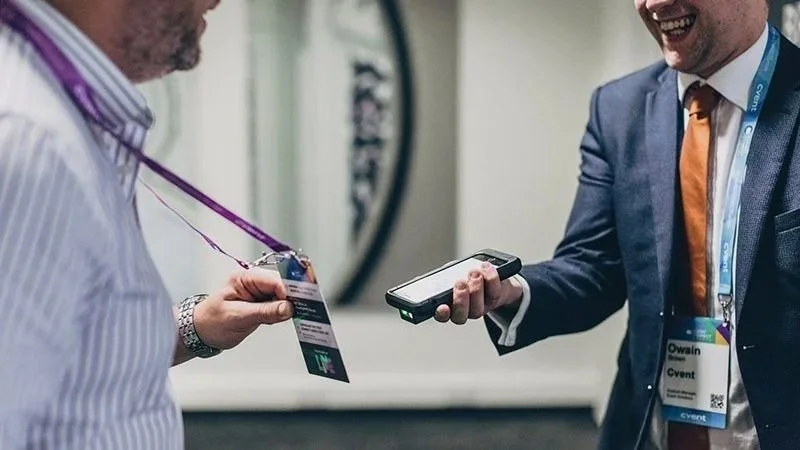
Badge scanners, simple form apps, or short QR-based landing pages all work as long as they’re fast and reliable. Whatever you choose, make sure it’s easy for staff to tag interest, urgency, and next steps so follow-up feels tailored, not random.
Give people reasons to scan, not just brochures
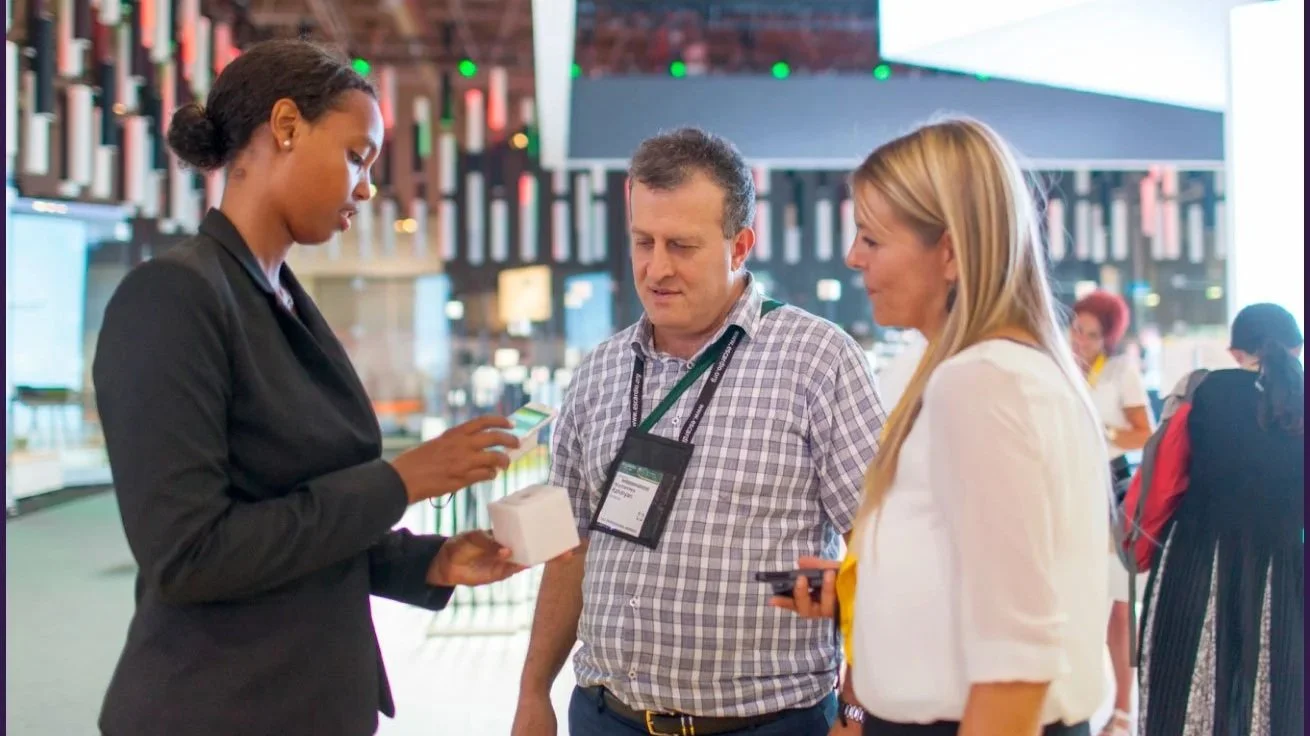
Tie your lead capture to something visitors actually want: a useful guide, a chance to win something relevant, a follow-up demo, or access to extra resources. Place codes and prompts near your games, displays, and talks so the “scan moment” fits naturally into what they’re already doing.
Keep questions short but meaningful

A couple of well-chosen questions—role, main challenge, timeline—are often enough to sort serious prospects from casual browsers. Train staff to listen first and then ask for a quick scan or form fill while the conversation is still warm.
Blend digital tools with human judgment
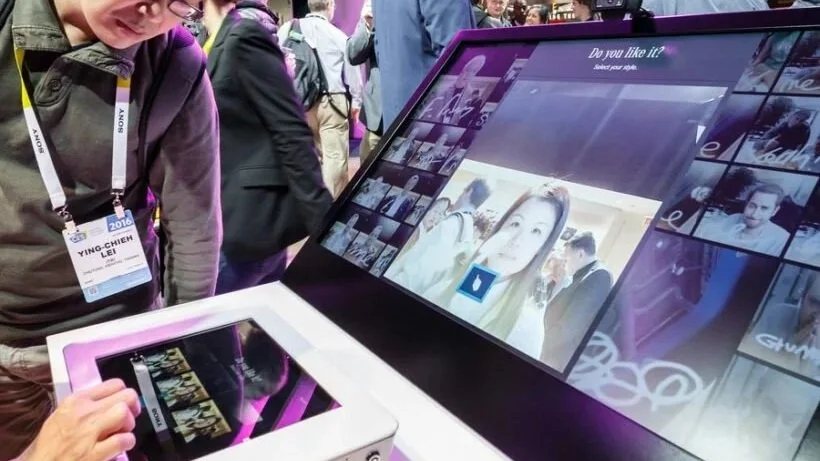
Lightweight AI helpers or tablet-based surveys can handle basic intake and free your team to focus on deeper conversations. Staff still make the call on who gets flagged for immediate follow-up versus longer-term nurture.
Follow-Up: Turn Show Floor Momentum Into Actual Deals
Many good shows are wasted in the weeks after because nobody owns the follow-up.
Move quickly while details are fresh
Aim to send a first touch within a day or two of the event ending, referencing the specific topic or demo you discussed. Short, specific messages beat long, generic recaps every time.
Segment instead of blasting everyone the same thing
Group your leads into a few buckets—immediate opportunities, strong fits needing more proof, and curious but early-stage. Give each group its own follow-up path with the right mix of emails, calls, invites, and content.
Use multiple touchpoints, not just emails
Mix in calls, LinkedIn messages, and calendar invites for key contacts. People are busy when they get home; it often takes more than one nudge to turn a good conversation into a scheduled next step.
Automate the routine parts
Sync your capture tools with your CRM so leads don’t disappear into spreadsheets. Simple automations can handle welcome notes, basic nurturing, and reminders, leaving your sales team free to handle the higher-value calls and demos.
An Easy Way to Think About ROI (So You Can Defend the Budget)
You don’t need a complex model to understand whether a show pulled its weight.
List what you spent: space, build, travel, accommodation, sponsorships, promotions, and any tech or activation rentals.
Estimate the value of the opportunities that came out of the show using your usual deal sizes and close rates.
Compare those numbers and track a few simple metrics each time: leads captured, meetings booked, opportunities created, and deals eventually closed that trace back to the event.
Over a few shows, you’ll see which events and which tactics consistently produce the best return. Keep the ones that hit your target multiple, rethink or drop the rest, and shift more of your effort toward the formats and messages that clearly move the needle.
Practical Pointers and When to Bring in Help
A few grounded habits make any trade show marketing plan more effective:
Put someone in charge of each phase—pre-show outreach, on-site capture, and post-show follow-up—so nothing falls between roles.
Train staff not just on product, but on how you want them to open conversations, log details, and hand people off.
Review basic numbers within a week of the show and agree on what you’ll change next time while the experience is still fresh.
Test your approach at smaller or regional events, then scale what works into bigger, higher-stakes shows.

If you’d rather not juggle the engagement side alone, bring in Trade Show Labs. Our team can plan and run your booth activations and staff them with pros who know how to greet, hype, and hand off warm leads to your sales team, so you stay focused on the conversations and deals that matter most.
William Griggs
Founder @ Trade Show Labs