Trade Show Booth Engagement Ideas: Games, Demos & Interactive Tactics for 2026
Why Engagement Beats a Passive Booth
A booth that just sits there gets ignored. When people can play, try, or experience something, they stay longer, open up, and give you a real shot at a conversation.
Smart engagement; games, demos, and simple interactive moments—turns a basic setup into a spot people actually walk toward, not past. Layer those moments onto solid booth design and display choices, and you get a space that feels busy, inviting, and worth talking about.

Table Of Contents
1.Game Ideas That Pull A Crowd
2. Digital Activations and Tech-Forward Engagement
3. Live Demos and In-Booth Experiences
4. Social Walls, Photos, and Contests
5. Staff, Measurement, and Next Steps
Engagement tactics built on a game
Hands-on, simple, and visible from the aisle, that’s the sweet spot. Announce games out loud, tie them to clear prizes, and keep rules simple so anyone can jump in.
Engagement is what happens after someone stops. For the stopping part, the ranked best trade show booth games guide and our list of interactive trade show ideas cover the games and demos in detail; this page is about what your staff do with the attention once they have it.
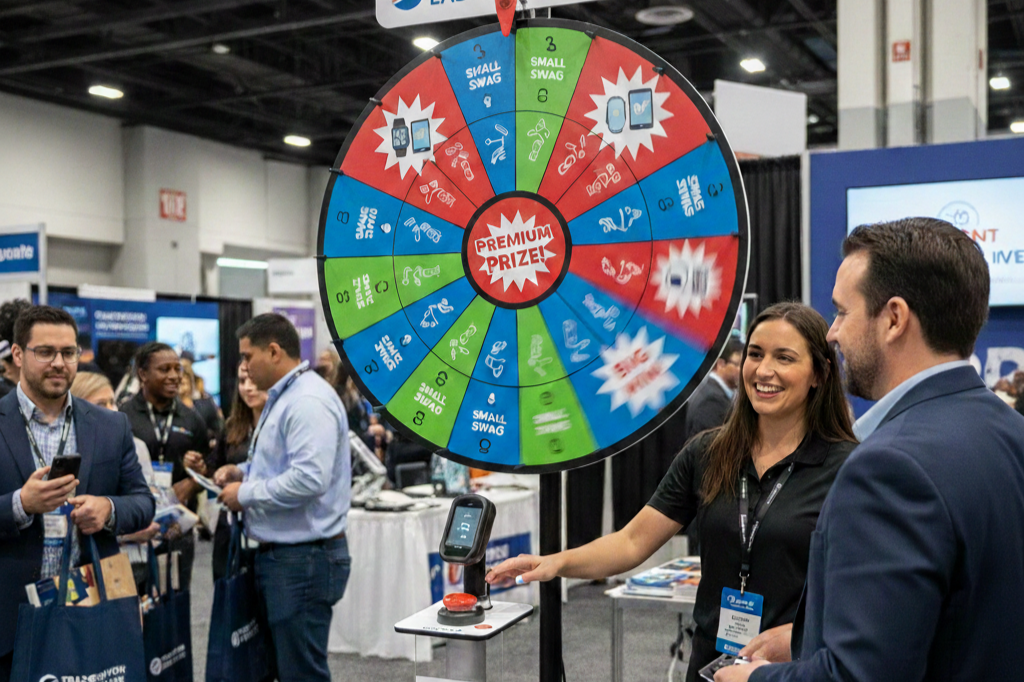
Prize wheels
Run a classic “spin to win” activation with a branded prize wheel—small swag for most spins, a few premium prizes for bigger excitement—and gate each spin behind a badge scan or quick form.
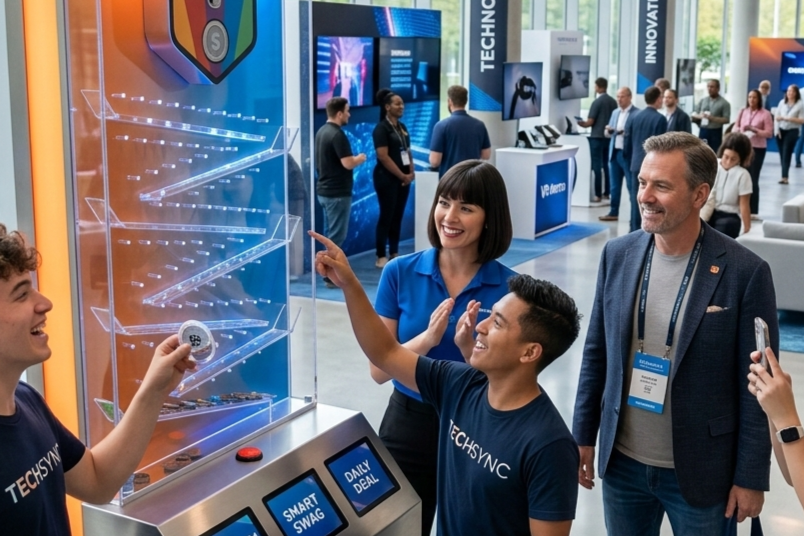
Plinko / coin drop
Drop‑style games like Plinko or coin drops are loud, quick, and perfect for drawing mini‑crowds. Mark different slots with prize tiers and let players redeem on the spot so there’s always a visible reward.
Ask Trade Show Labs about a ready‑made Plinko‑style activation from their game library if you want something proven that comes with hardware, setup, and staffing.
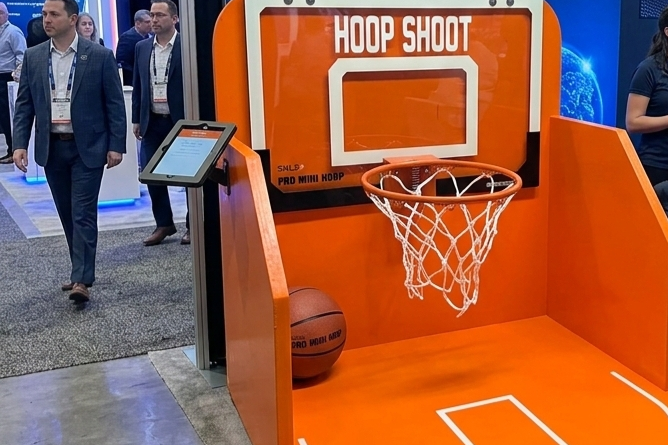
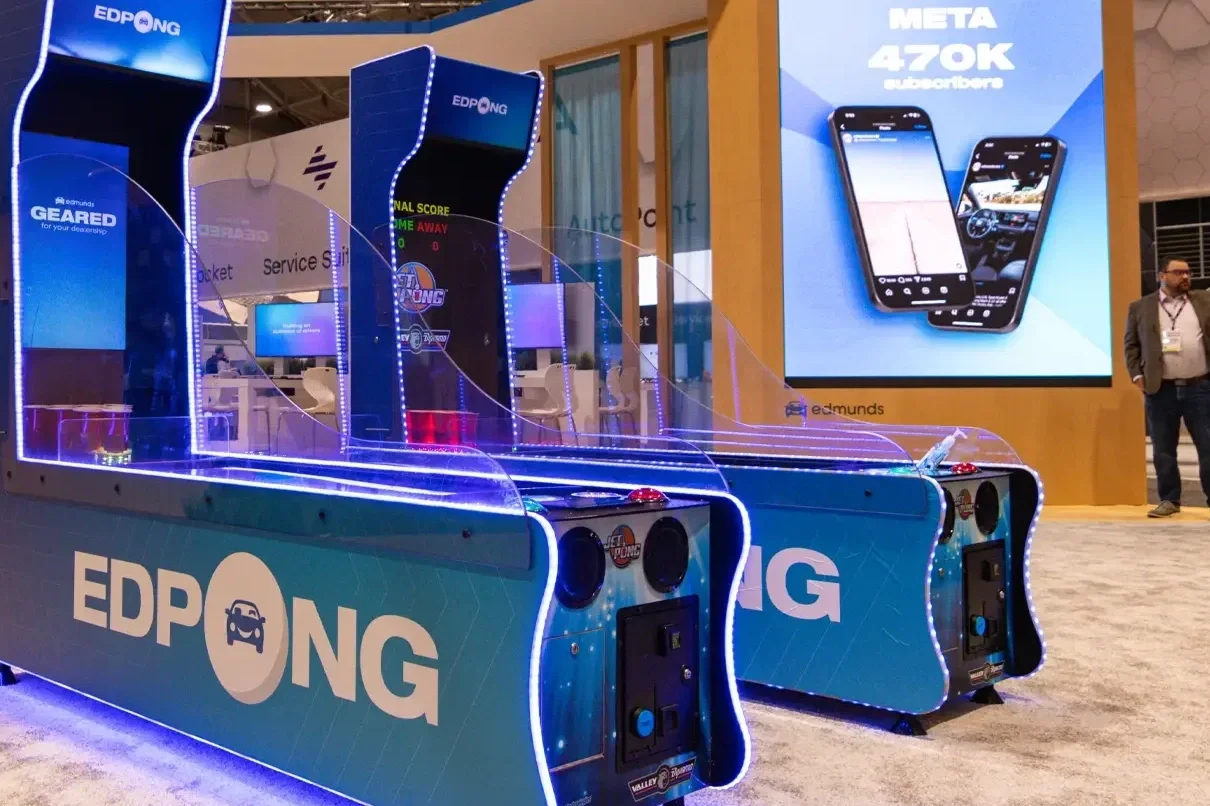
Ring toss or basketball-style challenges
Simple skill games tap into people’s competitive side. Set a clear challenge (“Make three shots, win the premium prize”) and celebrate wins loudly.
These work especially well in 10x10 spaces when you keep footprints tight and balls or rings controlled.
Puzzle or challenge walls
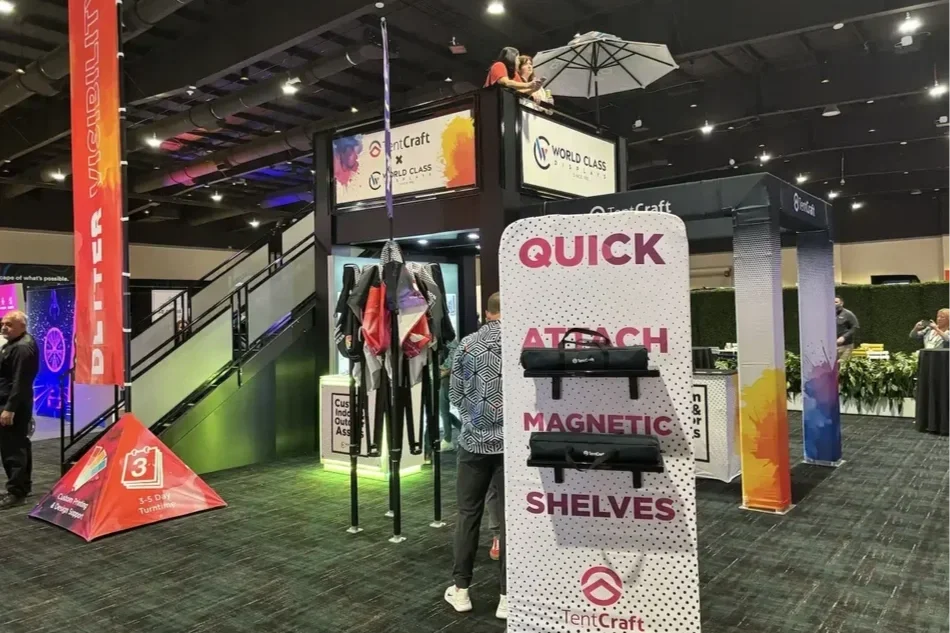
Think magnetic tiles, code-breaking, or simple pattern puzzles people can solve on a wall.
They work well for teams or small groups and give your staff a natural reason to talk through a problem alongside visitors. They also photograph well, which helps with social sharing.
Oversized games
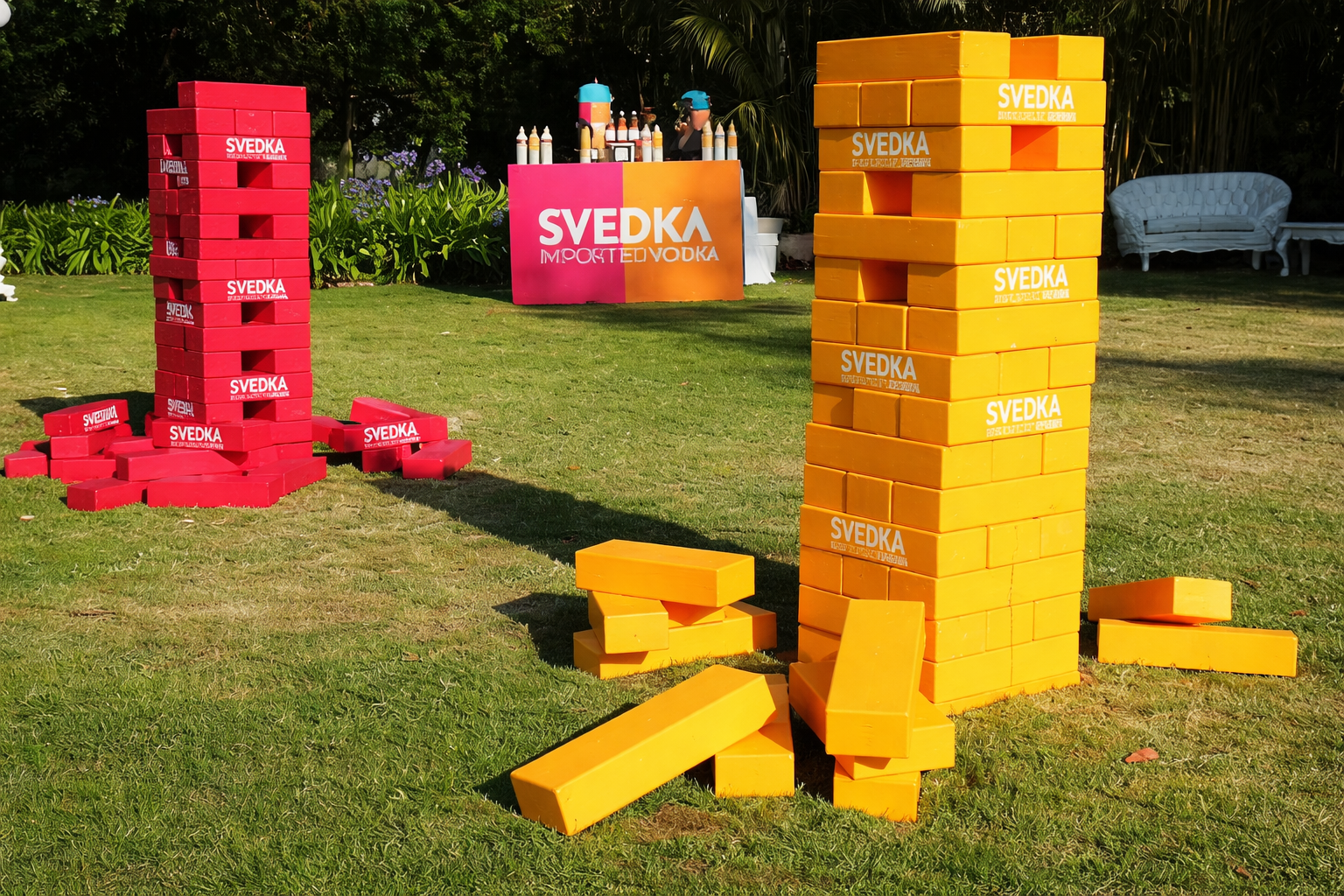
Giant Connect 4, big Jenga stacks, and similar games stand out visually and invite photos.
Use a simple line like “Beat our high score, win a bigger prize” to keep people playing and coming back.
Digital Activations and Tech-Forward Engagement
You don’t need a fully “tech booth,” but a few digital touches can make your space feel more modern and memorable.
Touchscreen quizzes and “find your fit” tools
Augmented reality product tryouts
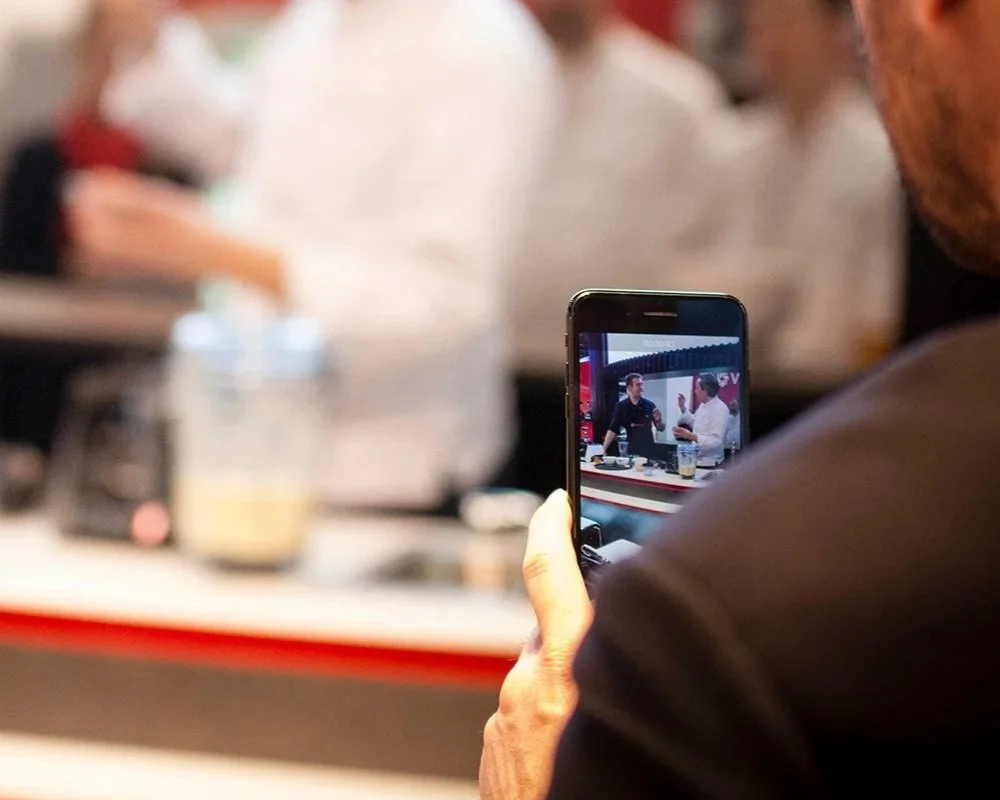
Let visitors scan a code and see your product in action on their own phone or on a shared screen. It works especially well for products that are too big, complex, or expensive to bring in full form. A quick AR moment turns a static image into something people can play with.
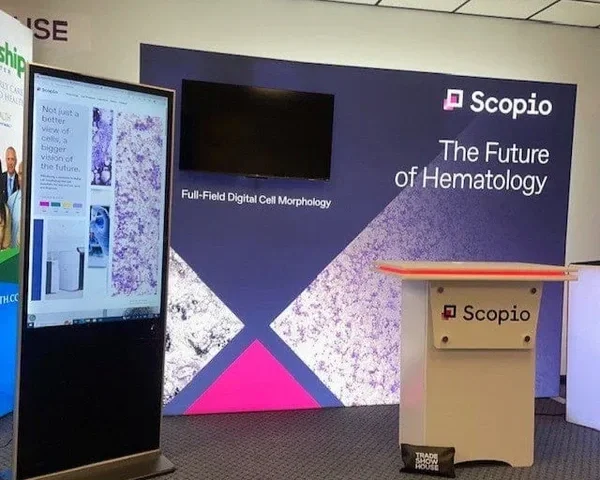
Short quizzes that recommend a product, package, or next step give visitors a reason to share basic info and stick around for a follow-up chat. Keep them under a minute and show results on-screen so your team can talk through them right away.
Gesture or motion-triggered walls
Live scoreboards and leaderboards
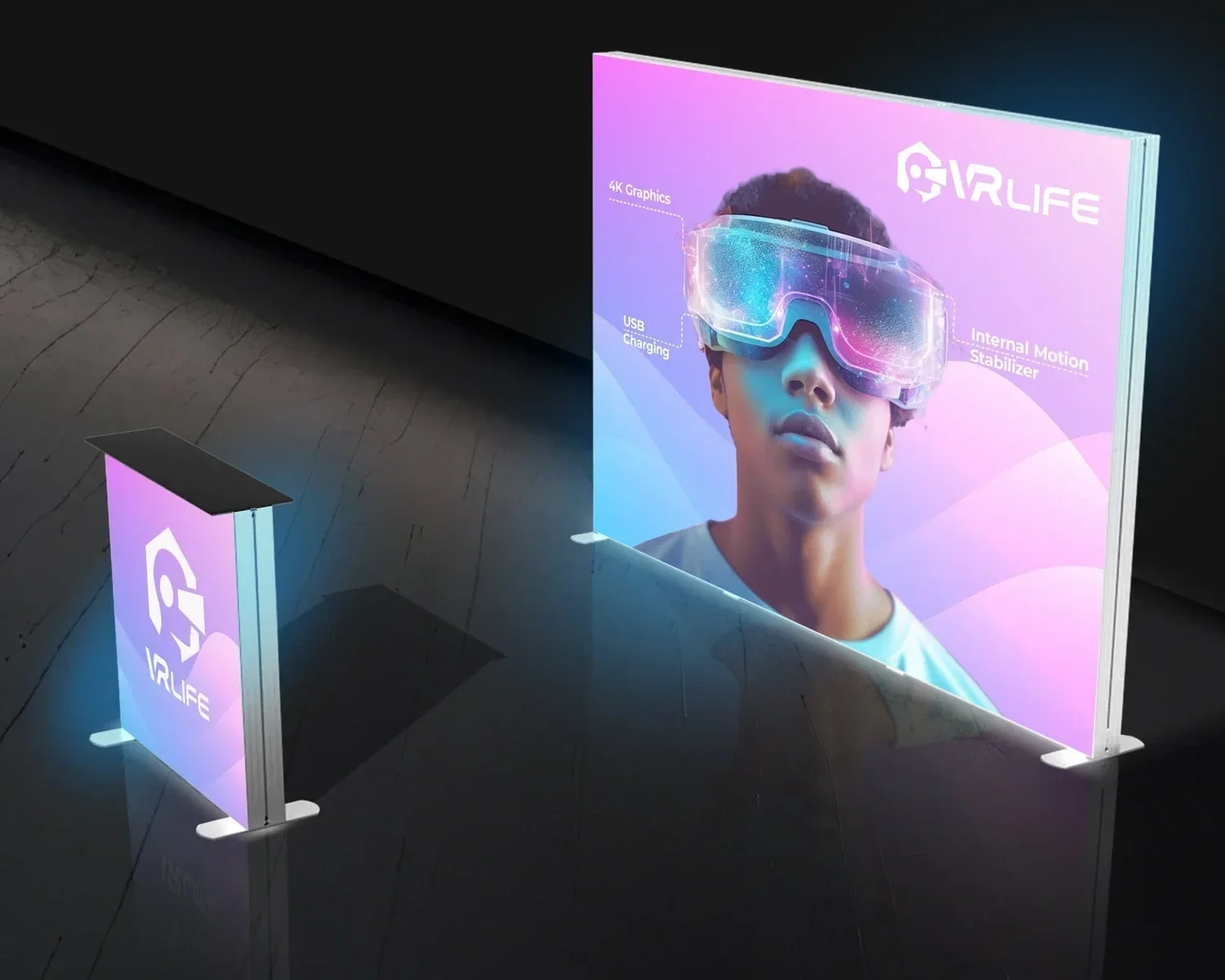
Screens or projections that respond when someone waves, steps closer, or hits a target are instant attention magnets.
They’re especially good at pulling people from further down the aisle who want to see “what that thing is doing.”
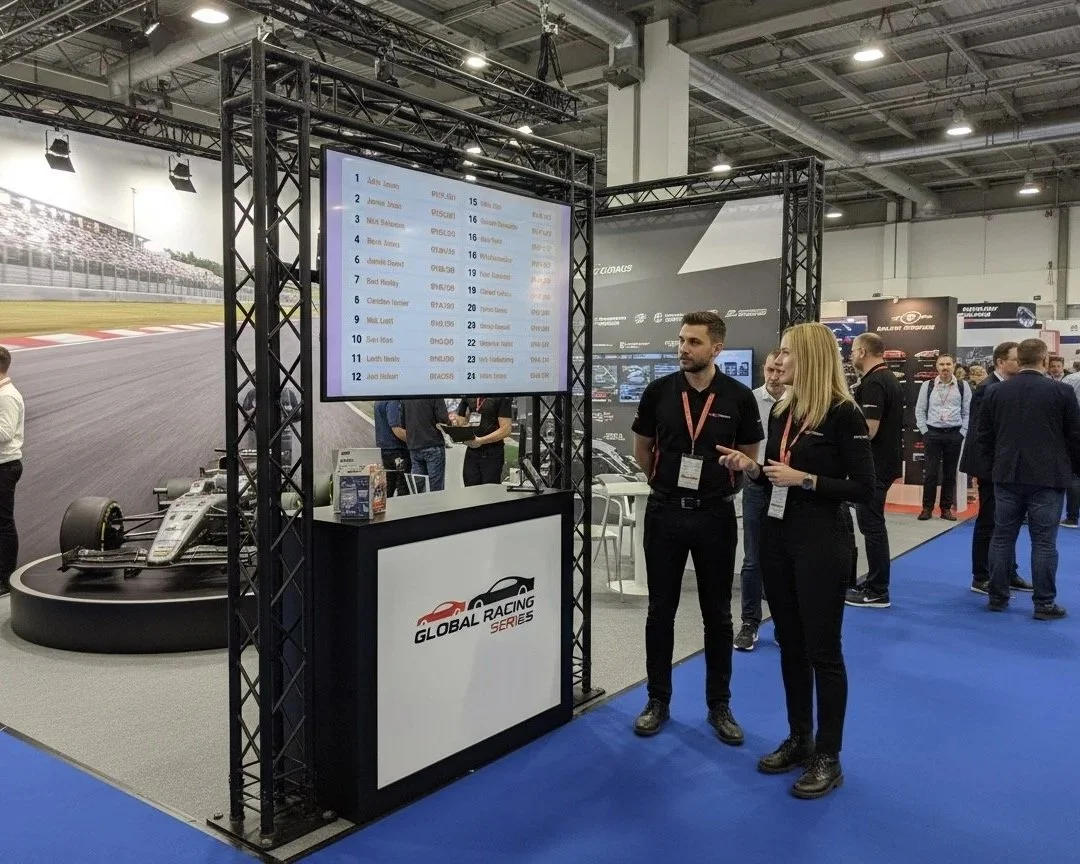
If your game has any scoring element, put a leaderboard on a screen and update it throughout the day. People love trying to beat the top score, and it gives you a natural hook to bring them back later to see if they held onto their spot.
Live Demos and In-Booth Experiences
Games aren’t the only way to keep people engaged. Short, well-run demos and small experiences can be just as powerful.
Tight, repeatable product demos
Plan quick demos that clearly show how you solve a specific problem in a couple of minutes.
Announce upcoming demos a few minutes ahead so a small crowd can gather, then invite people to try for themselves or ask questions right after.
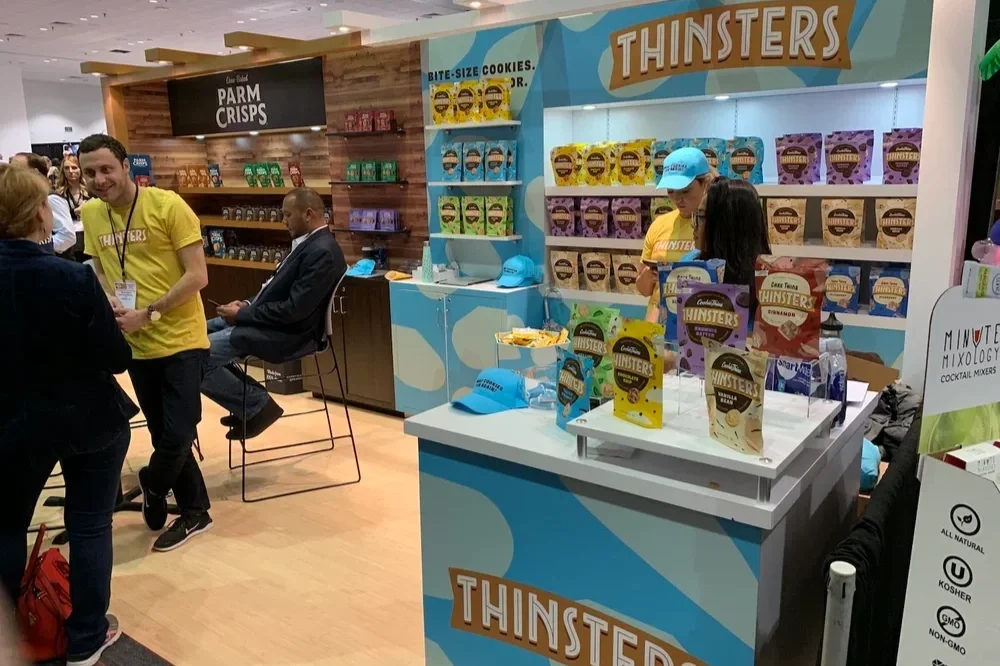
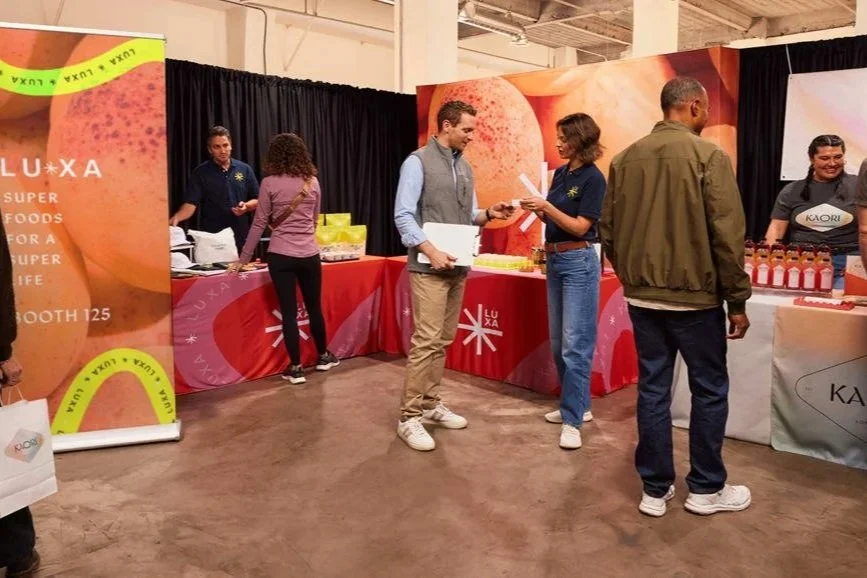
Food, drink, or sampling stations
For food, beverage, or CPG brands, a simple tasting station with a clear story behind each sample works wonders.
Tie the experience to a narrative—what’s new, what’s different, or what’s exclusive to the show—and keep staff focused on both serving and talking.
Mini workshops or hands-on sessions
Offer short, low-commitment activities visitors can finish in a few minutes and take with them. It might be a small DIY project, a quick how-to, or a hands-on test drive of your tool.
These are especially useful during slower times when you want to keep the booth feeling active.
Small-group deep-dive sessions
For more complex products, host short “insider” sessions with limited spots. Use a simple sign-up or scan to join and make the content feel a bit more exclusive so people see value in sticking around.
Social Walls, Photos, and Contests
Good engagement doesn’t only stays at the booth, it shows up on people’s feeds.
Photo-friendly spots and simple hashtags
Short-form video moments
Live social feeds or highlight screens
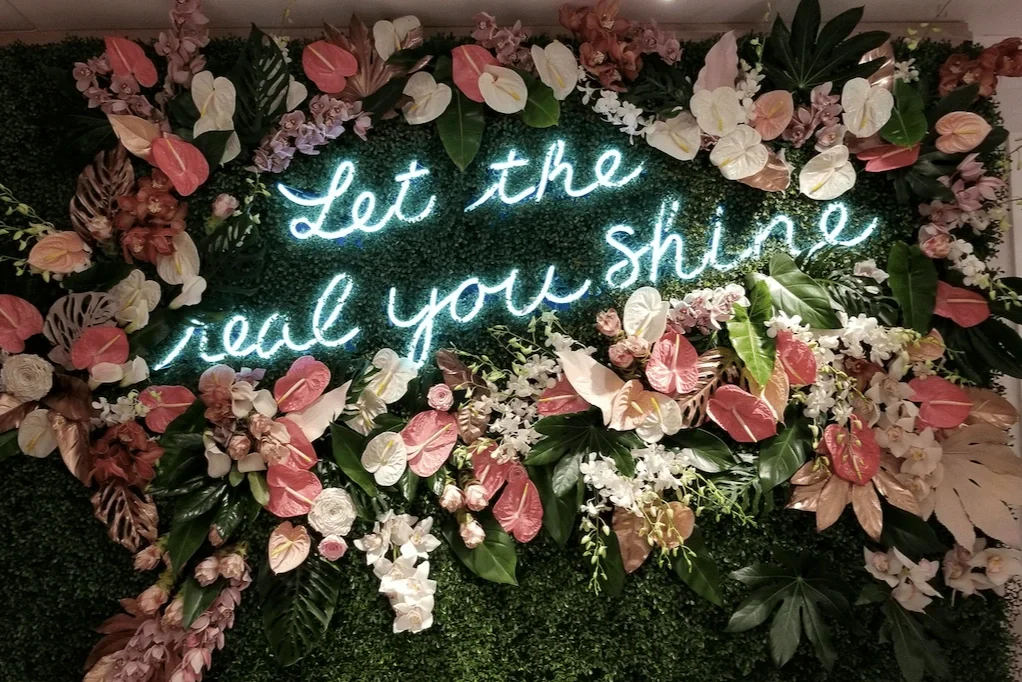
Set up one area that’s clearly meant for photos: a backdrop, a prop, or part of a game that looks great in pictures. Add a short, memorable hashtag and a prompt like “Share your shot and tag us for another chance to win.”
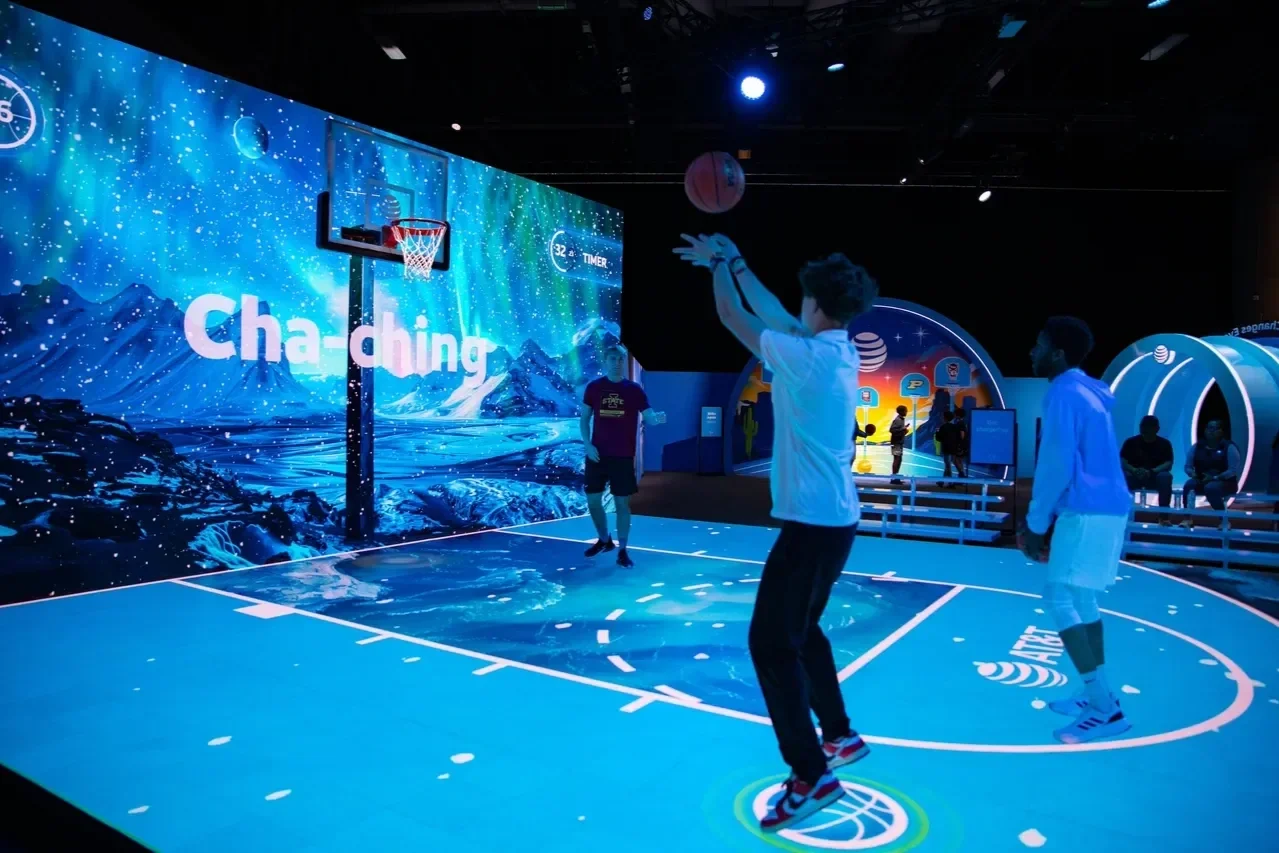
Plan one or two actions that translate well to quick videos—someone taking a final shot, a big wheel spin, a reveal moment. Encourage visitors to film or let staff capture and share (with permission).
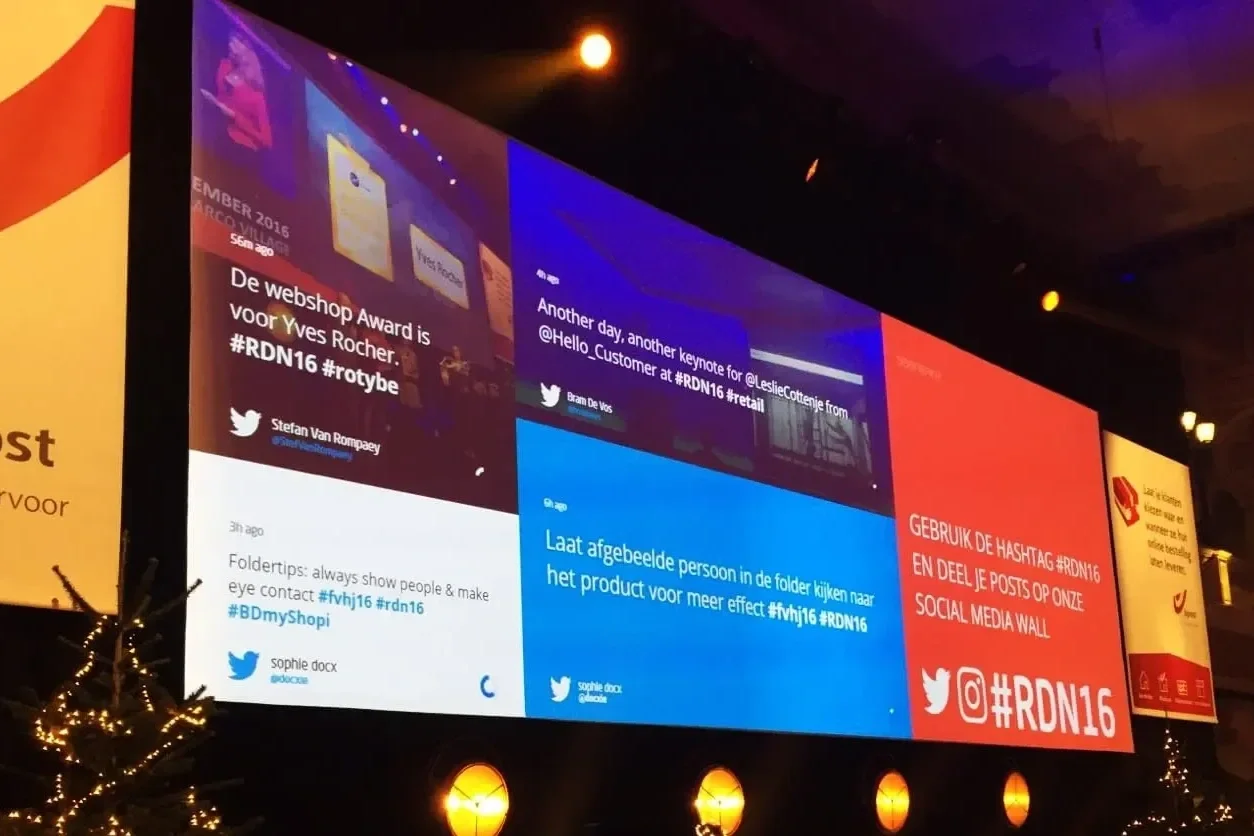
If it fits your brand, display a filtered feed of tagged posts or highlights from your own account on a screen in the booth. It reinforces that people are engaging and gives newcomers a sense of what to expect.
Staff, Measurement, and Next Steps
Even the best engagement ideas fall flat if they’re poorly staffed or never evaluated.
Put your most welcoming team members at the edge of the booth to invite people into games and demos, not stuck behind a table.
Give staff simple, natural phrases to start conversations (“Want to try a quick challenge?” is often enough).
Track basic numbers: how many people play, how many scans or contacts you collect, and roughly how long people stay. Compare show to show so you know which games and tactics are actually worth repeating.

When you’re ready to move beyond DIY and plug in proven games and activations, share your booth size, goals, and show dates with the Trade Show Labs team! We can recommend ready-made game packages or custom activations that fit your footprint, bring our own staff and tech, and handle the heavy lifting so your team can focus on conversations and closing deals.
William Griggs
Founder @ Trade Show Labs